January 9, 2026
Commercial roofing projects are complex, high-stakes undertakings that require careful planning, skilled labor, and strict adherence to safety protocols. From flat roofs on industrial facilities to multi-story office buildings, the risks associated with commercial roofing are significant. Choosing a professional roofing contractor who prioritizes safety is essential—not only to protect workers but also to safeguard your property and investment.
Did you know that, according to reports from This Old House, the U.S. roofing contractors industry is projected to reach $76.4 billion in revenue in 2025 alone? This growth reflects the ongoing demand for new construction, roof replacements, maintenance, and emergency repairs across commercial properties. With such high stakes, safety cannot be an afterthought—it must be integrated into every stage of a project. Here are some of the key reasons why safety matters in commercial roofing projects and how professional roofing contractors manage these risks.
Protecting Workers From Falls and Injuries
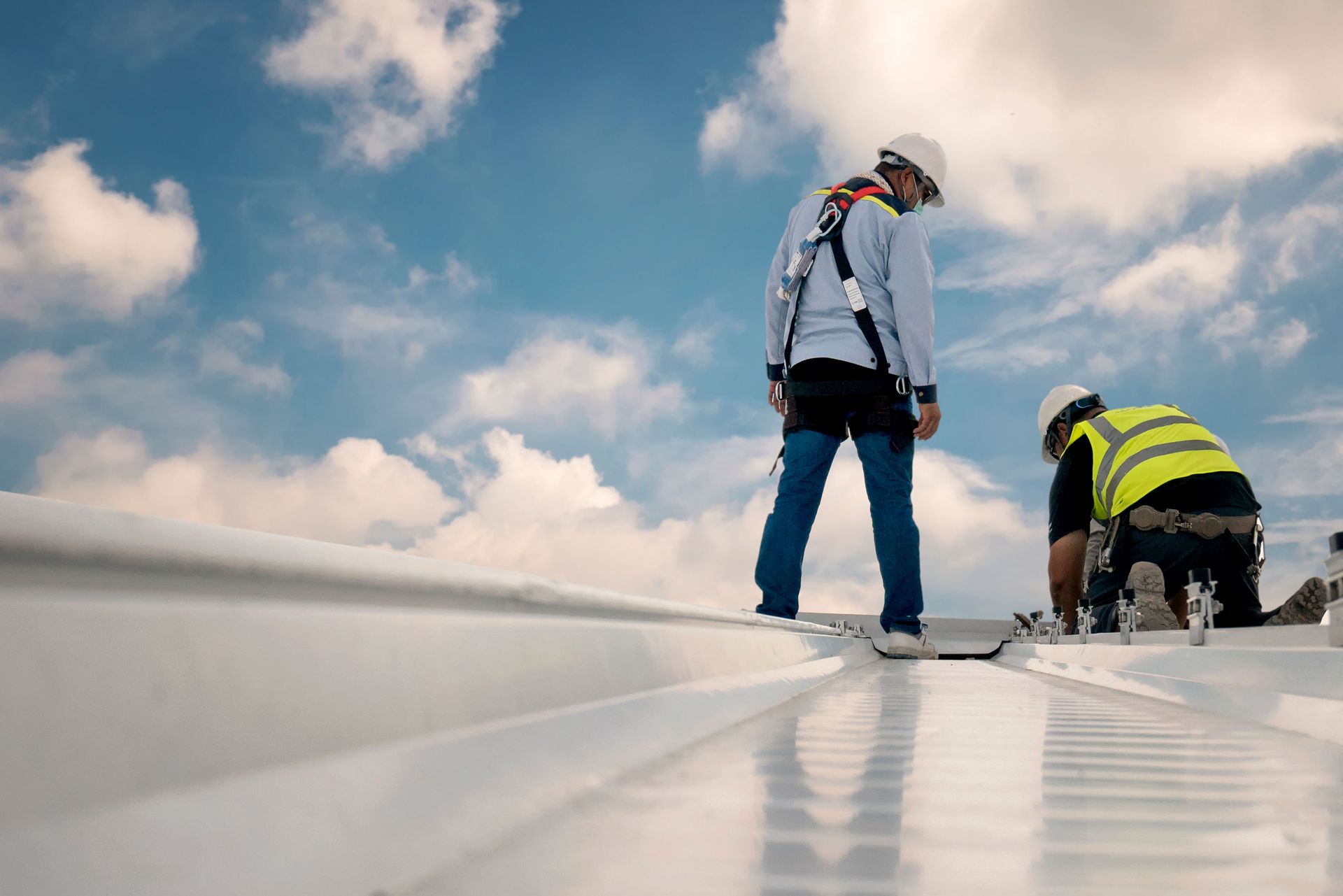
Falls are the leading cause of injuries and fatalities in the roofing industry. Commercial roofs are often high, expansive, and sometimes steep, making fall prevention a critical concern. A professional roofing contractor implements safety measures such as guardrails, personal fall arrest systems, safety nets, and proper scaffolding to minimize risk.
Training is equally important. Workers must understand how to use safety harnesses, navigate roof surfaces, and identify hazards such as slippery or unstable areas. Regular safety drills, inspections, and ongoing education are standard practices among reputable contractors.
Preventing worker injuries is not just a legal obligation—it protects your project timeline and budget. Injuries can halt work, trigger liability claims, and increase insurance costs.
Maintaining Structural Integrity
A commercial roof is a critical component of a building’s structural integrity. Unsafe work practices can damage roofing materials, compromise insulation, or create leaks. Roofing contractors who prioritize safety also protect the structure itself by using proper equipment, techniques, and material handling procedures.
For instance, heavy machinery or improperly stored materials can puncture roofing membranes or damage fragile sections. By following strict safety protocols, contractors minimize accidental damage, ensuring that the roof performs as intended. Properly secured ladders, hoists, and walkways also prevent structural strain during installation or repairs.
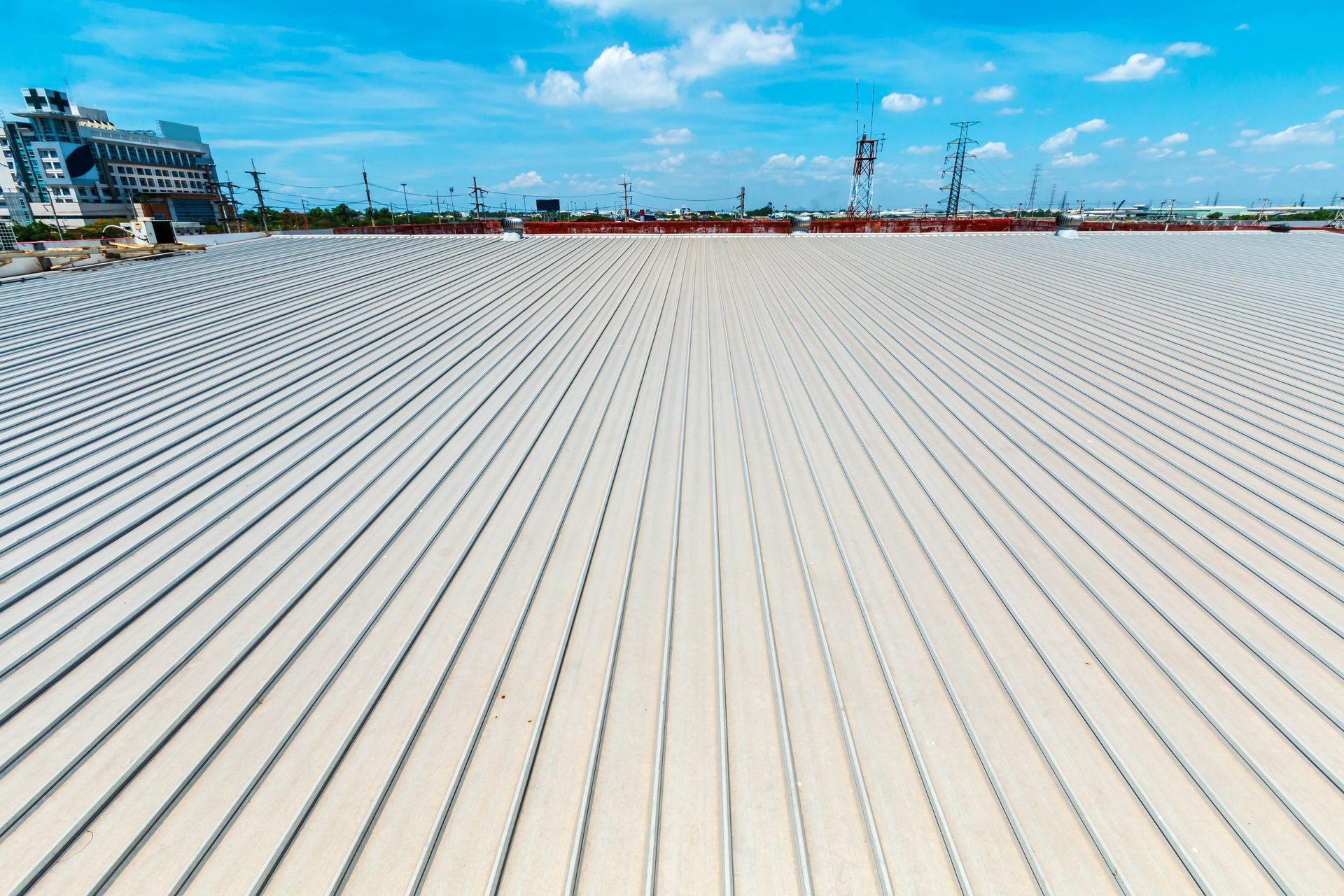
Maintaining structural integrity is particularly important for flat commercial roofs, which often carry HVAC systems, satellite dishes, and foot traffic. A professional contractor balances the need for worker access with the protection of the building’s roofing system.
Compliance with Occupational Safety Regulations
The Occupational Safety and Health Administration (OSHA) sets standards for worker safety in construction, including roofing. Non-compliance can result in fines, legal liabilities, and even shutdowns. A professional roofing contractor is well-versed in OSHA regulations, ensuring that your project meets or exceeds federal and state safety requirements.
Compliance includes using proper fall protection, maintaining clean and organized work areas, and documenting safety inspections. Contractors also conduct hazard assessments before starting work, identifying potential risks and implementing preventative measures.
Following regulations protects not only workers but also property owners. Compliance reduces the likelihood of accidents, project delays, and legal disputes, giving stakeholders peace of mind throughout the roofing process.
Preventing Material Damage and Project Delays
Unsafe practices in commercial roofing can lead to costly material damage. Misplaced tools, falling debris, or improper handling of materials can ruin roofing membranes, shingles, insulation, or other critical components. A professional roofing contractor employs organized staging areas, secure storage, and proper handling techniques to prevent such damage.
Project delays are another consequence of unsafe work conditions. Injuries, material damage, or equipment accidents can halt progress, impacting deadlines and increasing overall costs. By implementing safety protocols, contractors maintain workflow efficiency and keep projects on schedule.
Efficient, safe operations also ensure quality. A well-protected roof installation will perform reliably for years, reducing the need for future repairs and protecting your investment in the building.
Managing Environmental and Weather Risks
Commercial roofing projects are often exposed to environmental hazards, including high winds, rain, snow, and extreme heat. Safety protocols protect workers and materials from these risks. For example, contractors may postpone certain tasks during adverse weather or provide protective gear to reduce exposure to extreme conditions.
Proper planning also includes securing loose materials, anchoring equipment, and using weather-resistant barriers. A professional roofing contractor anticipates environmental challenges and adjusts the workflow to maintain safety and efficiency.
Weather-related precautions also prevent accidents like slips, falls, or equipment failure. By managing environmental risks proactively, contractors reduce the chance of injuries and ensure that roofing materials remain intact.
Ensuring Proper Use of Equipment
Commercial roofing projects rely on specialized equipment, including scaffolding, lifts, cranes, and power tools. Misuse of these tools can result in serious injuries or property damage. A professional roofing contractor trains workers to operate equipment safely and supervises its use at all times.
Regular equipment inspections, maintenance, and proper storage are part of a contractor’s safety plan. Ensuring that machinery functions correctly prevents malfunctions that could harm workers or damage the roof.
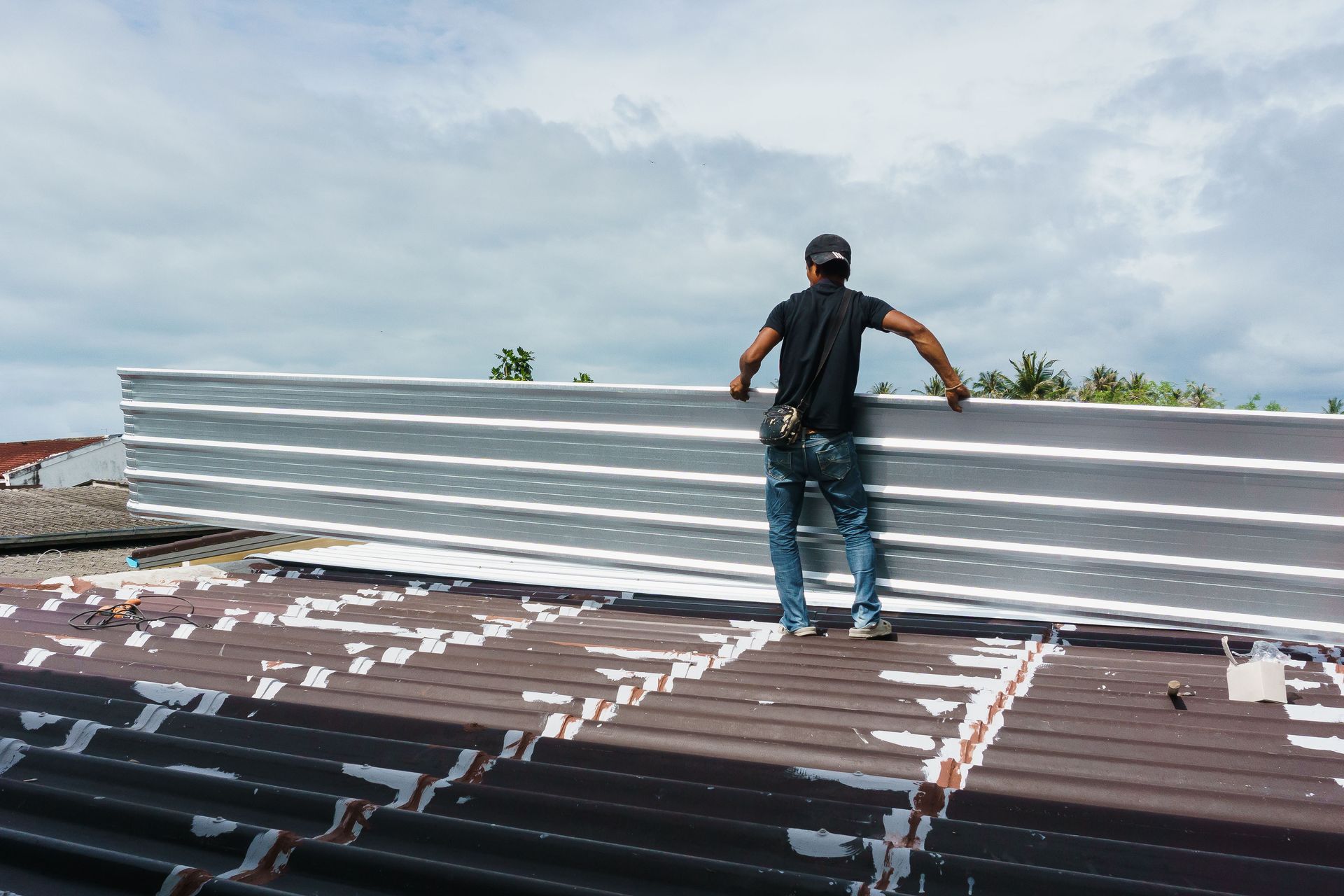
In addition, contractors implement ergonomic practices and lifting protocols to prevent musculoskeletal injuries. Safely moving heavy materials not only protects workers but also reduces the likelihood of accidental damage to the roof or surrounding structures.
Mitigating Legal and Financial Risks
Commercial property owners face significant legal and financial risks if safety is neglected. Workplace accidents can result in lawsuits, insurance claims, or project stoppages. A reputable roofing contractor minimizes these risks by maintaining strict safety standards, proper documentation, and adherence to regulatory requirements.
Contractors often carry liability insurance and workers’ compensation coverage, protecting both employees and property owners in the event of an incident. This coverage, combined with proactive safety measures, provides financial security and mitigates the risk of costly legal disputes.
Investing in a safety-conscious contractor is a form of risk management. It protects your building, ensures compliance, and safeguards the well-being of everyone involved in the project.
Promoting a Safety Culture
Safety in commercial roofing projects is not just about equipment and protocols—it’s about culture. Professional roofing contractors foster a safety-first mindset among all workers. This culture encourages employees to report hazards, follow procedures diligently, and prioritize their own and their coworkers’ well-being.
A strong safety culture reduces accidents and improves morale. Workers feel confident and supported when they know their employer prioritizes safety, which often leads to higher productivity and better quality work.
Promoting a safety culture also reflects positively on property owners. Choosing a contractor who values safety demonstrates a commitment to responsible business practices and environmental stewardship, enhancing your reputation as a property manager or business owner.
Enhancing Project Quality and Longevity
Safety and quality are deeply connected in commercial roofing. Projects completed with strict adherence to safety protocols are less prone to errors, material damage, and structural issues. A professional roofing contractor ensures that workers can focus on quality tasks without distraction from unsafe conditions.
Safety measures such as proper scaffolding, fall protection, and material handling techniques contribute to superior workmanship. Investing in safety enhances the longevity of your roof. A well-installed, secure roof protects your property for years to come, maximizing your investment and reducing long-term maintenance costs.
From preventing falls and injuries to protecting materials, managing environmental risks, and ensuring compliance with regulations, a professional roofing contractor integrates safety into every aspect of the job. Whether you’re planning a new installation, a roof replacement, or emergency repairs, our team ensures a safe, efficient, and durable roofing solution. Contact B & M Roofs today to schedule a consultation and experience the peace of mind that comes from working with a safety-focused commercial
roofing contractor.