March 11, 2026
Regular maintenance of commercial roofs is crucial for the longevity and functionality of any building. Neglecting roof repairs can lead to significant structural damage and costly repairs down the line. Maintaining the integrity of a commercial roof is not just about appearance; it is about ensuring the safety of everyone who uses the building. A roof in poor repair can lead to leaks, increased energy costs, and even pose health risks. Recognizing the signs of roof deterioration early can prevent these negative outcomes and help maintain the value of the property. Many property owners rely on local commercial roofers to identify problems early and recommend appropriate solutions that preserve structural integrity. Property managers often consult local commercial roofers when developing long-term roof maintenance strategies.
Visible Damage and Deterioration
Visible damage is often the first indication that a commercial roof requires immediate attention. Over time, exposure to harsh weather conditions, temperature fluctuations, and environmental pollutants can weaken roofing materials. Early identification of these issues allows building owners to take corrective measures before damage escalates. Routine inspections and preventive maintenance programs conducted by local commercial roofers can significantly reduce the likelihood of extensive structural problems. Monitoring physical changes in roofing materials ensures that minor defects are resolved quickly and efficiently.
Cracked or Missing Shingles
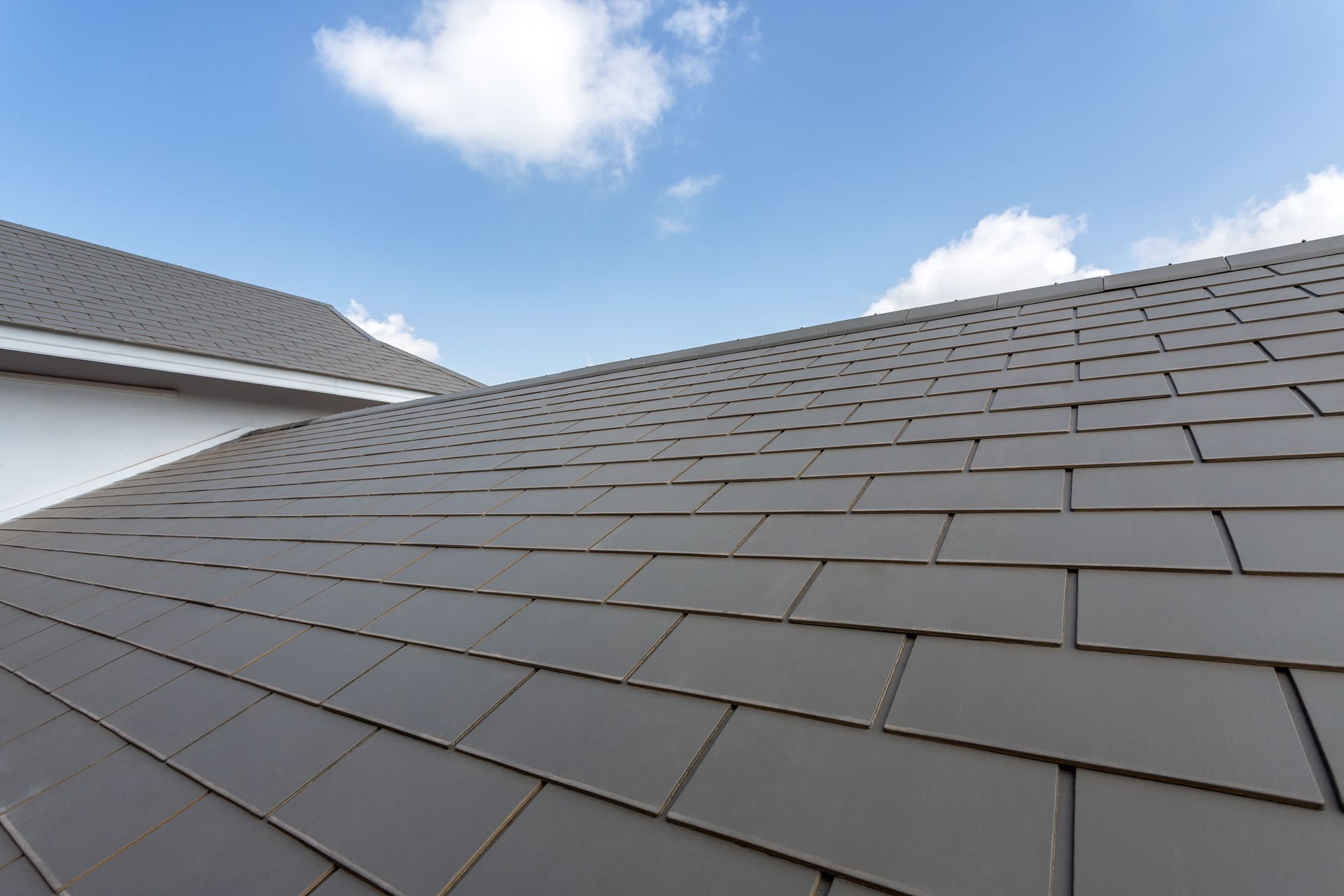
One of the first signs of roofing issues is cracked or missing shingles. Shingles serve as the first line of defense against the elements, and any compromise to their integrity can lead to water infiltration. Leaks caused by damaged shingles can slowly erode the building's structure over time. These problems can escalate quickly if not addressed, leading to potentially costly repairs. Spotting and replacing missing or damaged shingles early can prevent further issues from developing.
When shingles are cracked or absent, there is also the risk of water pooling, which can cause leaks. Furthermore, broken shingles can expose the underlying materials to adverse weather, diminishing the roof's overall durability. Regular inspection can catch these issues before they become severe. Timely intervention not only saves money but also prolongs the roof's lifespan. Businesses should prioritize monitoring the condition of their shingles as part of routine building maintenance.
In environments that experience extreme weather changes, shingles are especially susceptible to damage. High winds, temperature fluctuations, and heavy rainfall can all contribute to shingle deterioration. It’s crucial to have shingles checked after particularly severe weather events to assess any possible damage. According to This Old House, the global roofing market is projected to reach $156 billion by 2030, reflecting the need for ongoing maintenance and replacement. Investing in quality shingles and regular inspection can safeguard against potential issues.
Sagging or Buckling Areas
Sagging or buckling in a roof indicates possible structural issues that need urgent attention. Such deformations are usually signs that the roof’s support structures have been compromised and may be failing. Immediate investigation is required to evaluate the severity and source of the problem. Sagging can also create areas where water and debris may accumulate, increasing the risk of leaks. Ignoring these signs can lead to catastrophic failure, especially if the structure continues to degrade.
The causes of sagging can vary, ranging from water damage to poor initial installation. Over time, additional weight from accumulated water or snow can worsen sagging. It may require a full structural assessment to determine the best course of action. Reinforcing or replacing affected areas is often necessary to restore the roof’s integrity. Early detection and response to these issues can prevent widespread damage and preserve the roof’s longevity.
Preventive measures, such as regular inspections and timely repairs, can alleviate potential sagging problems. Professional roofing inspectors are trained to identify these issues before they develop into major concerns. Monitoring roof support systems regularly can preemptively address the issues causing sagging. Maintaining a proactive approach is always more cost-effective than reactive repairs. Doing so can ultimately protect the building’s occupants and interior assets from weather-related damage.
Damaged Flashing
Flashing plays a critical role in keeping water out of places where the roof meets walls or other structures. When flashing, typically made of metal, becomes corroded or damaged, it leaves openings for water to enter and cause damage. Regularly examining and repairing flashing is an essential maintenance task that too often goes overlooked. Damaged flashing can often be repaired by resealing or replacing the affected areas, helping maintain the roof's overall effectiveness.
Given its position at junctions and edges, flashing endures the brunt of environmental stress. Without proper maintenance, these areas can become vulnerable to leaks and water intrusion. Ensuring effective sealing and installation of flashing is crucial for protecting the roof against moisture. If damage is suspected, it is advisable to contact local commercial roofers to assess and repair the flashing components. Small, undetected issues with flashing can lead to significant damage, undermining the roof's entire structure.
Flashing inspections should form a part of routine maintenance protocols for commercial properties. By remaining vigilant and addressing minor damage swiftly, building owners can avoid the costly repairs associated with water damage. Investing in high-quality flashing materials can also offer better durability and protection over time. Comprehensive inspections can identify areas most prone to damage, allowing timely intervention. Preventive care reduces long-term maintenance expenses and enhances structural stability.
Water Leaks and Stains
Water leaks are among the most concerning indicators of roof damage. Even minor leaks can lead to significant structural deterioration if left untreated. Identifying moisture intrusion early helps preserve building materials and prevents interior damage. Property managers frequently work with local commercial roofers to trace leak sources and implement effective repair solutions that protect interior spaces. Prompt evaluations by local commercial roofers can help prevent extensive water damage and costly restoration work.
Ceiling Stains
Ceiling stains are a common and obvious sign of a leaking roof. These discolored patches are more than just an aesthetic issue; they can indicate moisture seeping through the building’s structure. The presence of water stains usually means that the roofing material is not effectively keeping moisture out. If left unaddressed, what starts as a small stain could lead to widespread water damage.
Once detected, the source of the leak should be identified and repaired promptly. Various factors may cause leaks, including damaged roofing materials, poor sealing, or clogged drainage systems. Addressing the root cause of leaks can prevent the development of additional stains or further damage. Fixing the roofing issue and repairing the stained areas is essential to maintain the integrity and appearance of the building.
Beyond structural concerns, prolonged exposure to moisture can lead to harmful mold and mildew growth. Mold not only damages buildings but can also pose health risks to occupants. It is imperative to address roofing issues at the first sign of moisture to prevent these problems. Regular monitoring and prompt repair efforts protect both the building and its occupants.
Maintaining a healthy and structurally sound commercial roof is imperative to avoid escalating repair costs and potential safety hazards. Recognizing early signs such as visible damage, water leaks, increased energy costs, and changes in appearance can prevent larger issues. Investing in timely maintenance and utilizing modern materials and techniques can extend a roof’s lifespan. Property owners who partner with local commercial roofers benefit from professional expertise, routine inspections, and reliable repair strategies that keep buildings secure. Through scheduled evaluations and proactive care, commercial properties remain efficient, durable, and protected for years to come. Contact B & M Roofing today to get connected with our roofing services.